
Garlic. Butter. Lemon. White Wine. Need I say more?
Shrimp Scampi is a masterclass in culinary balance. You have the richness of the butter, the pungent aroma of fresh-sautéed garlic, and the bright, acidic "zing" of lemon and dry white wine. It’s a flavor profile that is both deeply comforting and incredibly refreshing.
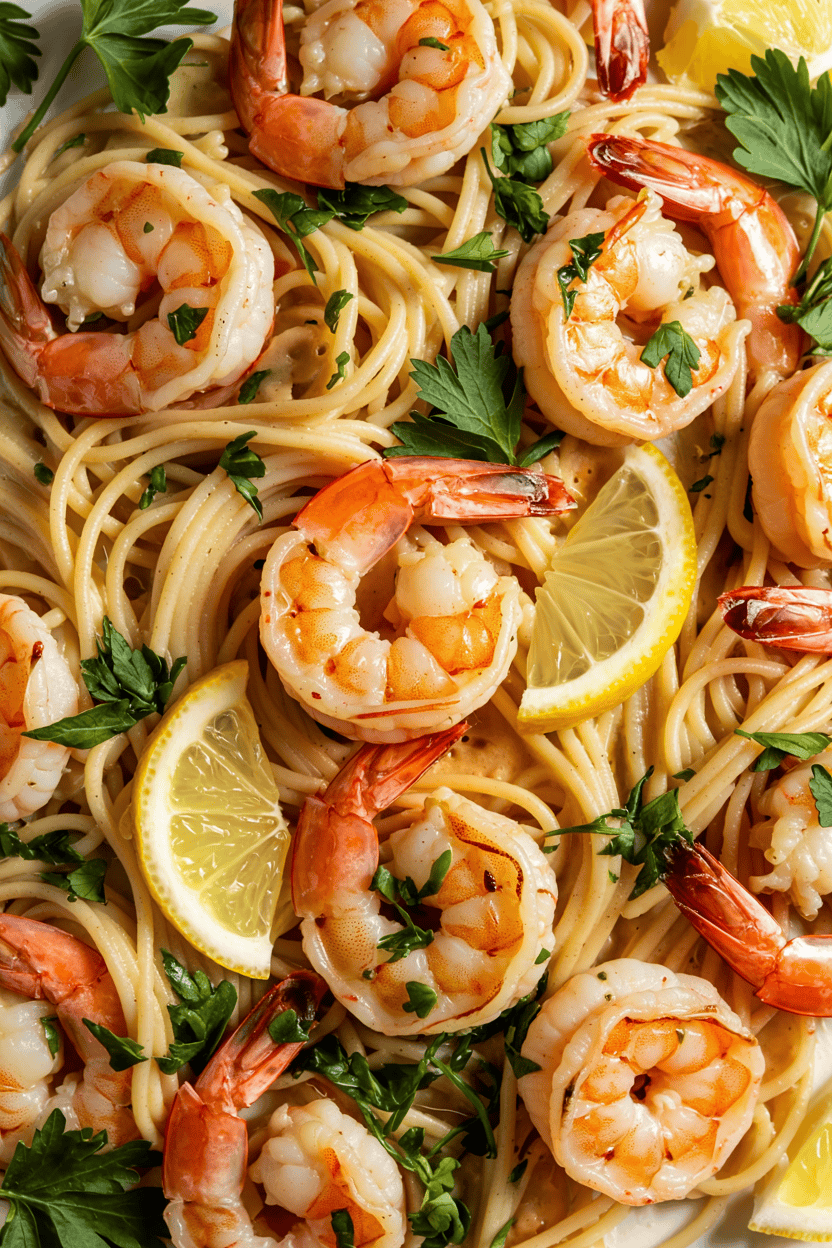
The secret to a truly great scampi isn't a long list of ingredients; it’s the technique. In this recipe, I’ll show you how a quick 10-minute marinade and a foolproof "emulsion trick" can transform a humble pound of shrimp into a glossy, silk-smooth masterpiece that clings to every strand of pasta. Get your fork ready—this is the only scampi recipe you’ll ever need..
Jump to:
What you will love about this shrimp scampi recipe
Shrimp Scampi is a must-try recipe that combines simple, fresh ingredients into a dish bursting with flavor and elegance.
Bursting with Flavor: Each bite is loaded with garlicky, buttery goodness and a pop of bright lemon. The classic combination of lemon, garlic, and butter creates a sauce that’s utterly satisfying. The shrimp soak up all that flavor from a quick marinade and the savory pan sauce, so you get maximum taste in every mouthful.
Quick & Easy: This dish comes together in around 20 minutes from start to finish, yet tastes like it simmered much longer. Shrimp scampi is quick enough to be a weeknight superhero, but it can also be dressed up as a dinner party main. You only need one skillet, making both cooking and cleanup a breeze.
Restaurant Quality at Home: Juicy sautéed shrimp in a rich white wine sauce feels fancy, but you don’t need to be a chef to pull it off. This foolproof recipe guides you with detailed steps and tips so the result is as good as (or better than!) your favorite Italian restaurant. Impress your family or guests with minimal effort.
Versatile Serving Options: There are so many ways to enjoy shrimp scampi. Toss it with pasta for a hearty meal, serve it over rice or zucchini noodles, or simply pair it with crusty bread to soak up the sauce. No matter how you serve it, it always satisfies.
Foolproof Method: I’ve included all the best techniques – a brief garlic marinade for flavor, a hot skillet sear for perfect shrimp, and finishing the sauce with butter for that silky texture. Follow the step-by-step guide below and you’ll avoid common pitfalls (like overcooked shrimp or oily sauce). This recipe is tested and trusted, so you can cook with confidence!
Ingredients
Shrimp: Use large shrimp (about 16–20 count per pound), peeled and deveined. I prefer to buy raw shrimp but both fresh or thawed frozen shrimp work well – just make sure to pat them dry. Large, plump shrimp stay juicy and tender, and their sweet flavor stands up to the bold garlic-butter sauce. You can leave the tails on for a nicer presentation (and extra flavor), or remove them for easier eating. If your shrimp are extra-large (or smaller), you’ll adjust the cooking time a bit (smaller shrimp cook faster).
Tip: If using frozen shrimp that are labeled as “easy-peel” or treated with salt, skip any brining or additional salt in the marinade to avoid over-salting (those are already processed with some salt).
Garlic: Be generous with the fresh garlic – it’s the heart of shrimp scampi’s flavor. I use a lot of garlic cloves (finely minced) to infuse every layer of the dish. Some of the garlic will season the shrimp before cooking, and the rest will flavor the sauce. Shrimp scampi is traditionally very garlicky (don’t worry, it mellows as it cooks). Fresh garlic is essential here; it adds a pungent, aromatic quality that defines the dish. (Pre-minced jarred garlic just won’t have the same punch.)
Butter: Butter gives the scampi sauce its richness and silky body. I use unsalted butter so we can control the saltiness. A portion of the butter is used to sauté the shrimp and garlic, and I finish the dish by swirling in another pat of butter at the end for a glossy, restaurant-quality sauce. If you love garlic butter (who doesn’t?), this recipe will make you very happy. The butter also helps carry the flavors of garlic and lemon throughout the sauce.
Olive Oil: A bit of good olive oil is used along with the butter for cooking. The oil raises the smoke point of the butter so we can sauté the shrimp at a fairly high heat without burning the butter. It also adds its own warm, fruity flavor to the dish. The combination of butter + olive oil for sautéing gives the best of both worlds: high-heat performance and great taste.
White Wine: Traditional shrimp scampi uses a splash of dry white wine to deglaze the pan and build the sauce. The wine adds depth and a subtle acidity that balances the richness of the butter. Choose a dry white wine that you would enjoy drinking, such as Pinot Grigio, Sauvignon Blanc, or Chardonnay. The alcohol will mostly cook off, leaving behind a lovely background flavor. If you prefer not to cook with wine, that’s okay – you can substitute an equal amount of broth (see Substitutions below for details)..
Lemon: Both fresh lemon juice and lemon zest are used to brighten the dish. A squeeze of lemon juice adds tangy acidity that wakes up all the flavors and keeps the sauce from feeling too heavy. We add lemon near the end of cooking to preserve its fresh taste. I also like to include the zest of the lemon (the yellow outer peel) because it contains aromatic oils that really dial up the lemon flavor. Be sure to zest the lemon before cutting it for juicing. The fresh citrus element is a must for that classic scampi zing.
Red Pepper Flakes: Just a pinch of red pepper flakes brings a gentle heat that complements the garlic and lemon. It’s optional but highly recommended – it won’t make the dish truly spicy, it just adds a subtle kick and depth of flavor. If you love spice, you can increase the amount for a bit more heat, or conversely leave it out if you’re very sensitive to spice. Even a little will enhance the overall flavor profile.
Parsley: Fresh Italian flat-leaf parsley is the traditional herb used to finish shrimp scampi. Chopped parsley stirred in at the end (off heat) adds a pop of color and a fresh, herbaceous note that balances the rich sauce. It makes the dish look beautiful, too. Use fresh parsley leaves (dried parsley doesn’t have the same effect here). I sprinkle it as a final garnish so it stays bright green and flavorful.
Salt and Black Pepper: I’ll use salt and pepper to season the shrimp and the sauce to taste. Kosher salt is great for even seasoning. Black pepper adds a little sharpness. Keep in mind that if you brine your shrimp or they come pre-salted, you’ll use less salt later on. Seasoning at a couple of stages (shrimp marinade and sauce) ensures the dish is well flavored throughout.
Optional:
Shallot – While not strictly traditional, some recipes include a bit of minced shallot (or onion) sautéed with the garlic. A shallot can add a mild sweetness and extra depth to the sauce. If you have one on hand, feel free to mince 1 small shallot and cook it along with the garlic. Otherwise, this recipe shines just fine without it.
How to make Shrimp Scampi (Step-by-Step)
This shrimp scampi is cooked entirely on the stovetop in one skillet. It’s a quick process, so it helps to have all your ingredients prepped and ready to go before you start cooking. Follow these simple numbered steps, and you’ll have a foolproof shrimp scampi ready in no time:
Step 1 - Season and Marinate the Shrimp:
If your shrimp are frozen, thaw them completely and pat them dry with paper towels. Place the cleaned, dry shrimp in a bowl and season with a generous pinch of salt and black pepper. Add about half of the minced garlic to the bowl, along with a small drizzle of olive oil and a pinch of red pepper flakes. Toss the shrimp to coat evenly. Let the shrimp sit and marinate for about 10–15 minutes at room temperature while you prepare the other ingredients. (Don’t skip this quick marinade – it gives the shrimp lots of garlicky flavor and sets this recipe apart.) This step seasons the shrimp from the start and infuses garlicky goodness directly into the meat.
Step 2 - Sear the Shrimp
Heat a large skillet (12-inch works well) over medium-high heat. Add 1 tablespoon of olive oil and 2 tablespoons of butter to the hot pan. Swirl until the butter is melted and just starting to foam (but not browned). Add the shrimp in a single layer (if necessary, cook them in two batches to avoid overcrowding the pan). Cook the shrimp for about 1–2 minutes per side. You’ll notice they turn pink and opaque, and start to curl into a C-shape when done. Do not overcook – shrimp cook very quickly, and you want them just cooked through and juicy (they’ll get a tiny bit more heat later too). As soon as a shrimp is opaque and pink on both sides, remove it from the pan. Transfer the seared shrimp to a plate and set aside. They will be a little undercooked in the center at this stage, which is fine. We’ll finish them in the sauce. (Cooking the shrimp quickly at fairly high heat ensures a nice sear on the outside while keeping them tender inside.)
Step 3 - Sauté the Garlic (and Shallot, if using):
Lower the heat to medium. In the same skillet, there should be some butter/oil left along with tasty browned bits from the shrimp. Add another 1 tablespoon of butter to the pan. Once it melts, add the remaining minced garlic (and minced shallot, if you decide to use one).Sauté for about 30 seconds to 1 minute, stirring constantly with a wooden spoon. You want the garlic to become fragrant and just start to turn lightly golden at the edges. Be careful not to let it burn – keep it moving and don’t use high heat, as burnt garlic can taste bitter. This step releases the garlic’s flavor into the butter and forms the base of our sauce.
Step 4 - Deglaze with White Wine:
Still on medium heat, carefully pour in the ½ cup of white wine to deglaze the pan. It will bubble up and steam – this is normal. Use your wooden spoon to gently scrape up any browned bits stuck to the bottom of the pan (those are full of flavor from the shrimp!). Stir them into the wine. Allow the wine to simmer for about 2 minutes, adjusting heat as needed to maintain a lively simmer (not a furious boil). This will let the alcohol cook off and the wine reduce by roughly half. You’ll notice the wine taking on the flavors of the garlic and shrimp fond, creating a light sauce base. (If you prefer to avoid wine, see substitutions – you would deglaze with broth instead, but the process is the same.)
Step 5 - Add Lemon and Simmer the Sauce:
Add the fresh lemon juice to the skillet. Let the sauce simmer for another 1 minute to combine the flavors. The liquid in the pan now is a fragrant blend of wine, lemon, garlic, and butter – it might be somewhat thin, which is perfect for now. Now, turn off the heat (or set to the lowest flame) and add the remaining 1 tablespoon of butter to the skillet. Stir or swirl the pan until that butter melts into the sauce. This extra butter, added off-heat, enriches the sauce and gives it a silky, glossy finish (a classic restaurant trick). If you prefer a slightly thicker sauce that clings more to pasta, you can let the sauce simmer a bit longer to reduce further, or even stir in a slurry of 1 teaspoon cornstarch mixed with 1 tablespoon of water and simmer briefly. (America’s Test Kitchen’s version of shrimp scampi uses a cornstarch trick to thicken the sauce slightly.) For our basic recipe, a light sauce is traditional and it will coat the shrimp nicely.
Step 6 - Finish with Shrimp and Parsley:
Return the cooked shrimp (and any juices that accumulated on their plate) back into the skillet with the sauce. Scatter in the chopped fresh parsley and the lemon zest. Toss or stir the shrimp in the pan so they are fully coated in the buttery sauce. Turn the heat back up to medium-low and cook for about 30 seconds to 1 minute, just until the shrimp are warmed through and finish cooking all the way. This brief reheat will marry the shrimp with the sauce. Taste the sauce and add additional salt or pepper if needed. (Depending on how salted your ingredients were, you may not need any extra salt). Once the shrimp are hot and the sauce is flavorful, remove from heat.
Step 7 - Serve Immediately:
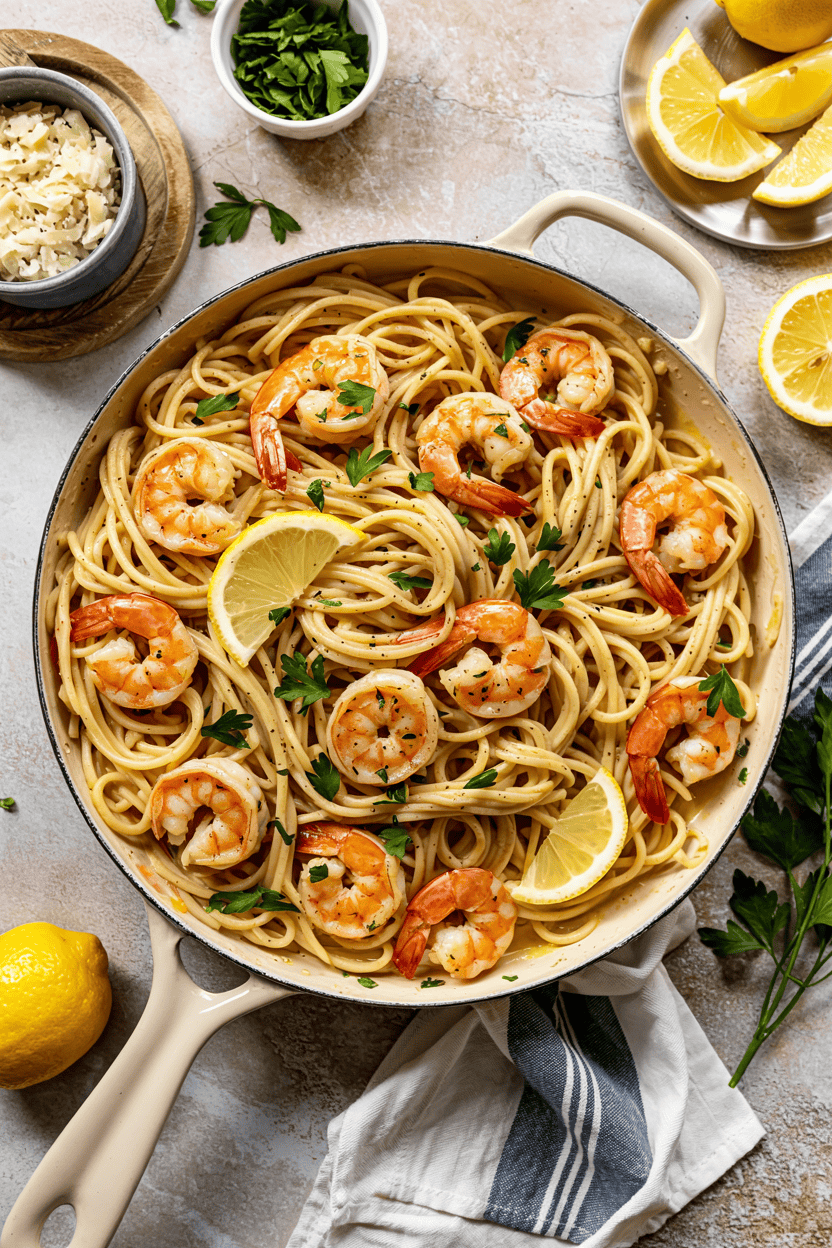
Shrimp scampi is best enjoyed right away while everything is hot and the sauce is loose. Transfer the shrimp and all that delicious sauce to serving bowls or a platter. Don’t forget to spoon the garlicky lemon-butter sauce over the shrimp. Garnish with a bit more fresh parsley on top and maybe a lemon wedge on the side. Serve it up with your choice of accompaniments (ideas below). Enjoy!
Tip: If you want to take this recipe to the next level and have a few extra minutes, try this: use the shrimp shells to make a quick stock.
While the shrimp are marinating, take their shells and simmer in a small saucepan with a cup of water or in the wine you’ll use, for about 10–15 minutes. Then strain and use this flavorful liquid in place of plain wine or as part of the sauce. This adds tons of shrimp flavor to your scampi sauce. It’s an optional step, but a fantastic way to maximize flavor if you’re feeling ambitious!
Tips
Mise en Place (Prep Ahead): This dish cooks fast. Have all your ingredients measured and prepared before you start cooking. That means shrimp peeled, garlic minced, lemon juiced and zested, parsley chopped. Once you start, you won’t have much downtime to prepare things. Being organized will prevent any scrambling and ensure you can give proper attention to each step.
Choose the Right Shrimp: Go for large, high-quality shrimp for the best texture and flavor. Wild-caught or good farmed shrimp from a reliable source will taste sweet and have a nice firm bite. If using frozen shrimp, let them thaw fully and drain off any excess water. Pat them very dry. Excess moisture can prevent that good sear and dilute the sauce.
Quick Marinade for Flavor: As we do in this recipe, let the shrimp sit with some salt, garlic, and a bit of oil for a few minutes before cooking. This acts like a mini-marinade and really infuses flavor into the shrimp meat itself. It also seasons the shrimp internally. It’s a small step that makes a big difference in taste. If you have even more time, you could extend this marination to 30 minutes in the fridge.
Don’t Overcook the Shrimp: This is the golden rule. Shrimp turns rubbery and tough when overcooked, so err on the side of slightly underdone because you can always cook them a tad more in the sauce later. As noted, shrimp are done when they turn opaque and pink and curl into a loose “C” shape. If they’ve curled tightly into an “O” shape, they’ve likely gone too far. In our method, we sear quickly and then just finish them in the warm sauce. That way, you avoid overheating them. Keep an eye on them – 2 to 3 minutes total cook time is usually all they need.
Moderate the Heat for Garlic: We want deeply flavorful garlic, not burnt bitter bits. After searing the shrimp, reduce the heat to medium (or even medium-low) when you add the garlic. Let the garlic soften and turn golden slowly for a minute or so. If the pan is too hot, the garlic can scorch in seconds. You can even pull the pan off the burner for a few moments if you sense the garlic is cooking too fast. The goal is fragrant, sweet garlic flavor in the sauce.
Deglaze Thoroughly: When you add the wine to the hot pan, make sure to scrape up all those browned bits stuck on the bottom. That fond from the shrimp and garlic is pure flavor. Incorporating it into the sauce gives your scampi a deeper savory taste. A wooden spoon or spatula works great for this. Don’t rush the wine reduction either; giving it a minute or two to simmer concentrates the flavor.
Finish with Butter for Emulsion: The reason we add a pat of butter at the end of the heat is to create an emulsion – the melted butter swirled in will thicken the sauce slightly and make it cohesive and glossy. This is how restaurants get that luscious texture. Whisk or stir vigorously as the butter melts into the wine and lemon juice. The result is a sauce that clings to the shrimp (and your pasta or bread) instead of a separated oily puddle.
Use Fresh Lemon and Parsley: Since this recipe has so few ingredients, the fresh elements really stand out. Fresh lemon juice is far superior to bottled here – it has a brighter, more floral taste. The zest adds extra citrus oils that make the dish pop. Likewise, finishing with fresh parsley (added off heat) gives a lovely freshness. Dried parsley won’t achieve the same effect. These little touches at the end balance the rich butter and make the scampi taste light instead of heavy.
Serve Immediately: Shrimp scampi is not a dish to let sit around. It’s at its peak when it’s hot from the stove. The sauce will start to thicken as it cools (the butter solidifies) and the shrimp can get a bit chewy if kept hot too long or reheated repeatedly. So, have your side dishes ready to go, gather everyone at the table, and serve the scampi right away for the best experience.
How to Double (or Halve) the Recipe: Cooking for a crowd? You can double this recipe, but you’ll want to sauté the shrimp in batches so you don’t overcrowd the pan. If doubling, use a very large skillet or do the shrimp in two rounds, then make the sauce with everything together. For halving, the recipe scales down easily – just be mindful that the cooking times for shrimp might be even shorter since there’s more pan surface per shrimp. Watch that garlic doesn’t burn if the quantities are smaller and your pan runs hotter.
Substitutions
One of the great things about shrimp scampi is that it’s flexible. You can tweak ingredients to suit dietary needs or what you have on hand. Here are some substitution ideas:
White Wine: If you prefer not to use wine, simply replace it with an equal amount of chicken broth or seafood stock. You’ll still get a tasty sauce. You can make a version without alcohol by using a little more shrimp broth instead of wine. For extra flavor, you could even use the liquid from simmering the shrimp shells as mentioned in the tips. Another option is non-alcoholic white wine or a splash of white wine vinegar (use a bit less vinegar, as it’s more acidic). Keep in mind that the traditional flavor of scampi comes from the wine, but it’s absolutely fine to omit it if needed.
Butter: Need a dairy-free version? Swap the butter with a vegan butter substitute or just use all olive oil for cooking the dish. Olive oil alone will lack a bit of the richness, but you’ll still have a nice garlicky shrimp dish (it will be more like a garlic olive oil sauce). You can also try ghee (clarified butter) if lactose is a concern but dairy fat is okay, as it’s just butterfat without the milk solids.
Gluten-Free: Shrimp scampi is naturally gluten-free (just double-check your broth or wine if using, but those are typically gluten-free as well). If you plan to serve it with pasta and need to avoid gluten, simply use gluten-free pasta (like corn, rice, or chickpea-based pasta). Zucchini noodles or spaghetti squash are also great gluten-free, low-carb alternatives to serve with scampi.
Pasta Alternatives (Low-Carb): If you’re watching carbs or want a lighter base, you can serve the shrimp scampi over zucchini noodles (zoodles) or a bed of sautéed spaghetti squash strands. This turns it into a keto or Paleo friendly meal without sacrificing flavor. The sauce is so good it will season any vegetable noodles deliciously.
Herbs: If you don’t have parsley, you can substitute fresh basil or fresh cilantro for a different twist. Basil will give it an almost pesto-like aroma (goes well if served over pasta), whereas cilantro would lean into a slightly more Latin flavor profile. It won’t be classic scampi, but it will still be tasty. Dried herbs aren’t great here as a main substitute, but a pinch of dried Italian seasoning could be added in a pinch for some herbal notes (add it when cooking the garlic to bloom the flavors).
Garlic Substitute: Honestly, garlic is so key to scampi that I hesitate to suggest a substitute. If you can’t have garlic, this dish might not truly be “scampi,” but you could use something like shallots and a pinch of asafoetida (hing) to mimic a bit of allium flavor. Another idea is to use roasted garlic (if raw garlic is an issue) as it’s milder. But the recipe really shines with fresh garlic – it’s worth it if you can use it!
Adding Vegetables: While not traditional, you can definitely toss in some quick-cooking veggies to make it a more complete meal. Some great options are halved cherry tomatoes (add along with the garlic, they’ll soften and blister a bit), baby spinach (stir in at the very end to wilt in the sauce), or thin asparagus spears (pan-grill them in the same skillet before cooking shrimp, then set aside and add back with the shrimp at the end). These additions can complement the shrimp and make the dish heartier.
Different Protein: If you have family or guests who don’t eat shellfish, you can adapt this recipe with other proteins, though it becomes a different dish. The scampi sauce (garlic, lemon, butter) would be lovely on sea scallops (sear them like the shrimp) or even on bite-sized chunks of chicken breast (you’d need to cook the chicken longer until done through).
In fact, “Chicken Scampi” is a thing – chicken tenderloins sautéed in a similar fashion. Just note the cooking times will vary (chicken takes longer). For scallops, treat them similarly to the shrimp in terms of quick cooking.
Spicier Scampi: If you want more heat than a pinch of red pepper flakes provides, feel free to add more! You can also mince a fresh red chili (like a cherry pepper or Thai bird chili) and sauté it with the garlic for a serious kick. A dash of cayenne pepper is another way to up the spice. Spicy shrimp scampi can be delicious (almost like a fra diavolo style).
Parmesan Cheese: Traditionalists will note that Italian seafood dishes typically don’t include cheese. However, if you love a bit of cheese, you can certainly sprinkle a little freshly grated Parmesan on top of your shrimp scampi when serving (especially if serving over pasta). It’s not classic, but it’s your dinner – enjoy it the way you like! The salty nuttiness of Parmesan can actually taste great with lemony shrimp. Just use a light hand so it doesn’t overpower the delicate sauce.
Feel free to experiment with these substitutions. This recipe is quite forgiving. As long as you keep the basic technique (quickly cooked shrimp + flavorful garlic butter sauce), you can adjust ingredients to fit your needs and it will still come out wonderful.
What to serve with Shrimp Scampi
Shrimp Scampi is often served tossed with pasta, but it’s equally delightful with a variety of sides – from crusty bread to zoodles – that soak up that garlicky sauce.
Shrimp scampi is incredibly versatile when it comes to serving. It can be a light appetizer, a decadent main course, or anything in between depending on what you pair it with. Here are some serving ideas to make your shrimp scampi meal complete:
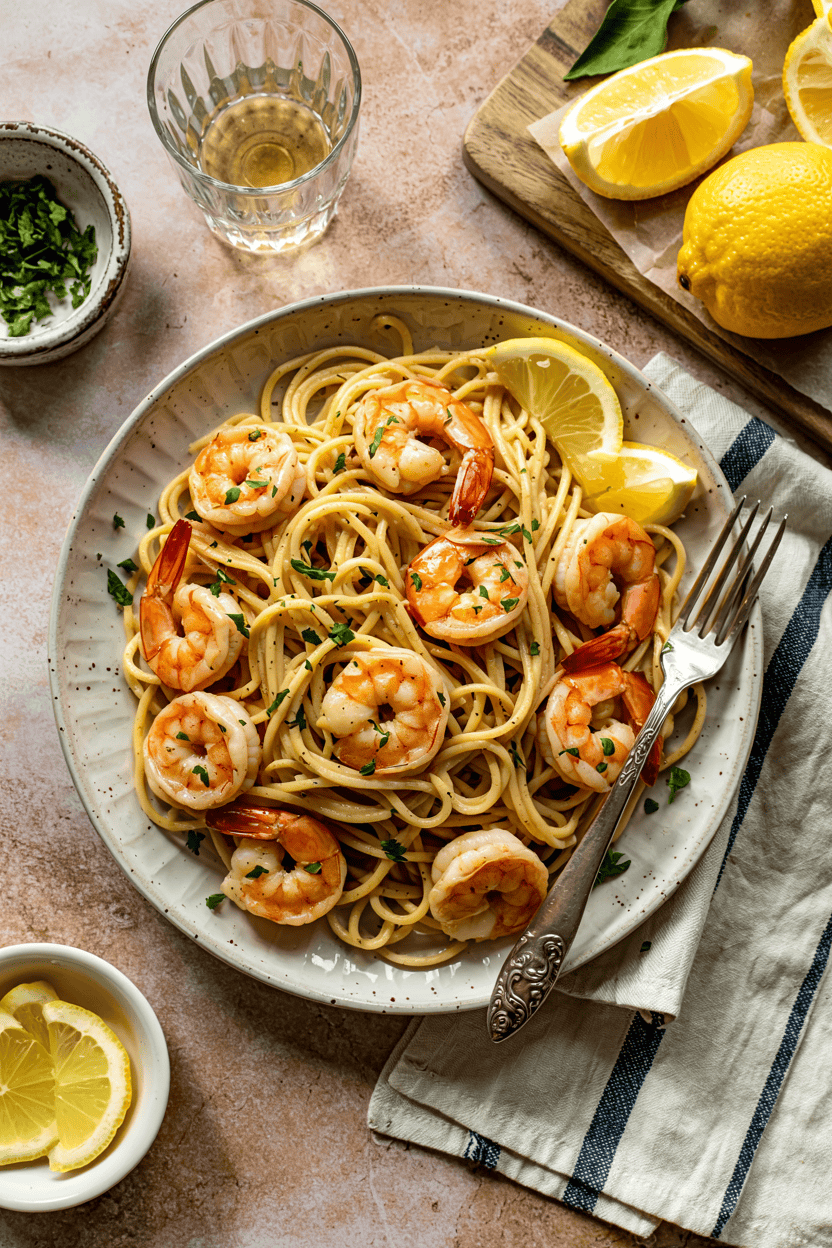
Pasta: The classic way to serve shrimp scampi is over a bed of pasta. Linguine is traditional, but angel hair (capellini) or spaghetti work well too. The long strands twirl around the shrimp and hold onto the sauce. Before serving, you can toss the cooked pasta directly in the skillet with the scampi sauce to coat it thoroughly. This essentially turns the dish into Shrimp Scampi Pasta, a favorite. Make sure to cook your pasta al dente and reserve a tablespoon or two of pasta water – adding that in with the pasta and shrimp can help the sauce coat everything nicely.
Crusty Bread: One of the simplest and most satisfying accompaniments is some good crusty bread. A warm baguette, artisan sourdough, or ciabatta are perfect for sopping up the extra lemon-garlic-butter sauce on your plate. You can even serve the shrimp scampi as an appetizer with toothpicks alongside slices of toasted bread or crostini, almost like a shrimp bruschetta. Dunking bread into this sauce is heavenly – don’t be shy about it!
Rice or Orzo: Spoon the garlicky shrimp and sauce over a bed of rice (white rice, brown rice, or even a lemon herb rice pilaf). The rice will absorb the flavorful sauce. Or try orzo pasta (the small rice-shaped pasta) for a bit of a different texture – it’s pasta but can be eaten like rice, soaking up juices. This can turn your scampi into more of a risotto-like feel. Couscous or quinoa could serve a similar purpose as a base to catch the sauce.
Zucchini Noodles (Zoodles): For a lighter or low-carb meal, serve the hot shrimp and sauce over zucchini noodles. The heat of the sauce will gently soften the zoodles. It’s a great way to get some veggies in and the flavor combination of zucchini with lemony garlic sauce is lovely. You won’t even miss the pasta. As noted earlier, spaghetti squash strands or even cauliflower rice are other veggie-forward options to keep the dish low-carb.
Salad: A fresh green salad makes a nice contrast to the rich scampi. Something simple like mixed baby greens with a light vinaigrette, or a classic Caesar salad on the side. The acidity of a salad dressing complements the buttery scampi. You could also do a tomato mozzarella salad (Caprese) drizzled with balsamic – it would play well with the Italian vibes of the meal.
Vegetable Sides: Consider serving a vegetable side dish alongside your shrimp scampi to round out the meal. Asparagus is a popular pairing – you can roast or grill it simply with olive oil, salt, and pepper, and perhaps a squeeze of lemon to echo the scampi flavors. Steamed or roasted broccoli or green beans with a bit of garlic butter (in keeping with the theme) would also be nice. Even a sauté of mixed bell peppers and onions (like you’d serve with fajitas) could add a sweet counterpart to the garlicky shrimp.
Wine Pairing: If you enjoy wine, pour a glass of the same dry white wine you used in the recipe. It will match perfectly. A crisp Pinot Grigio or Sauvignon Blanc complements the lemon and seafood. If you prefer red, go for something light like a Pinot Noir, but white is generally the classic choice with scampi.
Appetizer Option: Shrimp scampi can be served as a party appetizer too. Arrange the cooked shrimp in a shallow bowl with the sauce and provide plenty of bread for dipping. It’s like a sophisticated alternative to shrimp cocktail. Guests can help themselves to the shrimp and dunk bread in that golden sauce – it will disappear fast!
In my household, our favorite way is to serve shrimp scampi tossed with linguine and have a loaf of crusty bread on the side – the pasta fills you up and any leftover sauce is greedily wiped clean with the bread.
But any of the above pairings will turn your scampi into a memorable meal. Don’t forget extra lemon wedges on the side for those who want to squeeze more citrus on their shrimp.
Storage, Freezing, and Reheating
If you happen to have any leftovers (that garlicky aroma tends to draw a crowd, so we rarely do!),here’s how to store and reheat your shrimp scampi for best results.
Keep in mind that shrimp are best enjoyed fresh, but you can still make leftovers work with a little care.
Storing:
Allow the shrimp scampi to cool slightly at room temperature (no more than 1 hour for food safety), then transfer it to an airtight container. Store in the refrigerator for up to 2 days. Seafood doesn’t last as long as some other meats, so I don’t recommend pushing it beyond about 48 hours.
The butter in the sauce will solidify in the fridge, so don’t be alarmed if the sauce looks congealed – that’s normal. Keep the shrimp submerged in the sauce in the container, if possible, to prevent them from drying out.
Freezing:
You can freeze shrimp scampi, though the texture of the shrimp can suffer slightly and the sauce might separate upon thawing. If you anticipate needing to freeze, slightly undercook the shrimp during the initial preparation (so they are less likely to turn rubbery when reheated). Place the cooled shrimp and sauce in a freezer-safe container or zip-top bag (try to remove as much air as possible).
Freeze for up to 2 months for best quality. When you’re ready to use it, thaw the container overnight in the refrigerator. Note: The lemon in the sauce can sometimes taste a bit different after freezing (a touch more bitter), but generally it’s fine.
Reheating:
The key to reheating shrimp scampi is gentle heat, so you don’t overcook the shrimp.
The quickest way is on the stovetop:
- Place the leftover scampi (thawed, if it was frozen) in a skillet over low to medium-low heat.
- Add a splash of water, broth, or fresh butter to loosen the sauce if it’s too thick (the water will steam off, the butter will re-emulsify the sauce).
- Heat, stirring occasionally, just until the shrimp are warmed through. This should only take a few minutes.
- Do not let it boil or simmer for long, as that will toughen the shrimp.
Alternatively, you can reheat in the microwave in short bursts: place the scampi in a microwave-safe dish, cover it (to avoid splatters and keep moisture in), and microwave on 50% power for 30-second intervals, stirring in between, until warm.
Again, caution with microwaving seafood – medium power and short intervals help prevent it from turning rubbery.
When reheating, you might find the sauce has separated or is very thick (especially if microwaved). If so, you can revive it by adding a tiny bit more butter and/or liquid and stirring well. Another trick: if you have an extra lemon, a small squeeze of fresh lemon juice right after reheating can brighten the flavors again.
Note on Reheating with Pasta:
If your original meal was tossed with pasta and you stored them together, the pasta will have absorbed a lot of the sauce.

You may need to add a bit of butter and a spoon of water when reheating to get some sauciness back. Sometimes it’s even better to store any pasta separate from the shrimp and sauce if you can, then combine when reheating.
While shrimp scampi is best enjoyed fresh, these storage and reheating tips will help you make the most of your leftovers. Always use your best judgment – if something smells off, it’s safer to discard it. But assuming it’s stored properly, you can definitely relish this dish a second time.
(Honestly, I’ve been known to eat leftover shrimp scampi cold straight from the fridge for lunch the next day – it’s still delicious!)
Shrimp Scampi FAQ
Q: Can I use frozen shrimp for this recipe?
A: Either fresh or thawed frozen shrimp can work for scampi– the key is that they are raw and large.
Avoid using pre-cooked shrimp in this recipe, as they will overcook and turn rubbery when you heat them in the sauce. Starting with raw shrimp gives the best flavor and texture.
Q: What kind of white wine is best for shrimp scampi?
A: Use a dry white wine that you enjoy the taste of. Good choices include Pinot Grigio, Sauvignon Blanc, or an unoaked Chardonnay. These wines have crisp, bright flavors that complement the garlic and lemon without overpowering the dish. You don’t need anything expensive; a moderately priced bottle is fine since most of the alcohol cooks off.
I would avoid very sweet wines (like Moscato or sweet Riesling) in this recipe, as they can make the sauce too sugary. If you wouldn’t mind drinking a glass of it, it’s good to cook with. Pro tip: since the recipe only uses about half a cup, you’ll have some wine left to pair with dinner!
Q: I don’t want to use wine – what can I substitute?
A: No problem. You can substitute the white wine with chicken broth or seafood broth in equal measure. The broth will deglaze the pan and create a nice sauce, though it will lack the subtle wine aroma. To boost the flavor when skipping wine, make sure you season the sauce well and consider adding an extra squeeze of lemon for zing.
As noted above, you can even use the liquid from boiling the shrimp shells as your deglazing liquid for more seafood flavor. Some people use a splash of white wine vinegar or lemon juice plus water to mimic wine – if you do this, use mostly water/broth and just a teaspoon or two of vinegar to avoid too much acidity.
Using more shrimp broth in place of the wine is a tried-and-true method to make scampi without alcohol. Rest assured, your scampi will still be delicious.
Q: My sauce came out thinner/thicker than I wanted. How can I adjust it?
A: The sauce for shrimp scampi is meant to be somewhat loose and buttery, but you can tweak it to your preference.
If your sauce was too thin and watery, next time let the wine and lemon juice reduce a bit more before finishing with butter. You can also try the cornstarch trick we mentioned: mix 1 teaspoon cornstarch into the lemon juice (to dissolve it) before adding it to the pan. It will thicken the sauce slightly as it simmers.
If the sauce is too thick or tight (perhaps from reducing too much or cooling down), you can splash in a bit of hot water or broth and swirl to loosen it up. Also, adding that final butter off the heat should give it a silky texture; if you skip that, the sauce may seem thinner and greasier.
So incorporate the butter finish for a nicer consistency. Finally, if serving with pasta, remember that the pasta will absorb some sauce, so you might want the sauce a touch thinner on the stove so it ends up just right once tossed with noodles.
Q: How do I prevent the shrimp from being rubbery?
A: Do not overcook the shrimp. Shrimp turns rubbery when they’ve been cooked for too long or at too high heat.
In this recipe, we mitigate that by cooking the shrimp quickly in Step 2, then removing them from the pan.
They get added back just at the end to warm through. This method ensures they don’t simmer for ages in the sauce.
Q: Can I make a creamy shrimp scampi?
A: While the classic scampi doesn’t include cream, you can certainly adapt it if you’re craving a creamy sauce.
To make a creamy version, after you simmer the wine and lemon, stir in ¼ to ½ cup of heavy cream and let it warm through. Then proceed with adding the butter (you might not need as much if using cream) and the shrimp.
The cream will create a richer, heavier sauce that’s more like an Alfredo-scampi hybrid. It’s delicious, though different from traditional scampi.
Another approach is to finish the sauce with a tablespoon or two of mascarpone cheese, which will melt in and make it creamy. If you do add dairy like cream, just be careful when reheating (cream sauces can separate if boiled).
Also, you might reduce the butter a bit since the cream adds its own richness. It becomes a more decadent, less light dish – but hey, treat yourself if that’s what you’re in the mood for!
Q: Why is it called “Shrimp Scampi”?
A: Great question! The term “scampi” actually refers to a type of small lobster-like crustacean (also known as langoustines or Dublin Bay prawns).
In Italy, the traditional dish scampi was made with those langoustines cooked in garlic, butter, and white wine.
When Italian immigrants in America wanted to make the dish, langoustines weren’t readily available, so they used shrimp instead – hence shrimp scampi, essentially meaning shrimp prepared in the scampi style.
So it is a bit of a misnomer because scampi already implied the seafood, but in the U.S. it came to denote the preparation. In other words, “shrimp shrimp”! The name stuck, and now we use it to describe this garlicky shrimp dish in Italian-American cuisine.
No matter what you call it, it’s delicious! So it’s called shrimp scampi as a nod to the dish’s heritage (shrimp cooked scampi-style).
Feel free to ask any other questions – this FAQ covers the most common ones, but I’m always happy to help fellow home cooks.
📖 Recipe
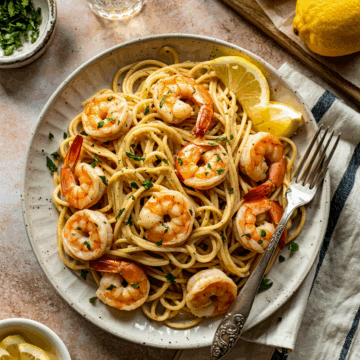
20 Minutes Shrimp Scampi
Equipment
- Large 12-inch skillet (for searing and sauce)
- Wooden spoon or spatula (for stirring and deglazing)
- Kitchen tongs (helpful for flipping shrimp)
- Microplane or zester (for the lemon zest)
- Cutting board and knife (for chopping garlic, parsley, etc.)
- Measuring cups and spoons
Ingredients
- 1 lb large shrimp 16/20 count, peeled and deveined (tails on or off as preferred)
- 4 tablespoons unsalted butter divided
- 2 tablespoons olive oil divided
- 4 –5 cloves garlic minced (about 2 tablespoons)
- ¼ teaspoon red pepper flakes optional, adjust to taste
- ½ cup dry white wine such as Pinot Grigio or Sauvignon Blanc – or substitute chicken broth
- 2 tablespoons fresh lemon juice from about 1 lemon
- 1 teaspoon lemon zest zest from the lemon before juicing
- ¼ cup fresh parsley chopped (plus more for garnish)
- Salt and black pepper to taste (about ½ teaspoon salt and ¼ teaspoon pepper for seasoning shrimp)
- Optional: 1 small shallot finely minced (for extra flavor, can be cooked with garlic)
Instructions
- Marinate the Shrimp: In a bowl, toss the cleaned shrimp with a pinch of salt, black pepper, half of the minced garlic, a drizzle of olive oil, and the red pepper flakes. Mix well and let the shrimp marinate for 10–15 minutes at room temperature. (This seasons the shrimp and infuses garlic flavor.)
- Sear Shrimp: Heat a large skillet over medium-high heat. Add 1 tablespoon of olive oil and 2 tablespoons of butter. Once hot (but before the butter browns), add the shrimp in a single layer (work in batches if necessary). Sear the shrimp for about 1–2 minutes per side, just until they turn pink and are nearly cooked through. Remove shrimp to a plate and set aside.
- Sauté Garlic: Reduce heat to medium. In the same skillet, add another 1 tablespoon of butter. Add the remaining minced garlic (and shallot, if using). Sauté for 30–60 seconds, stirring constantly until fragrant and just starting to turn light golden (do not burn the garlic).
- Deglaze with Wine: Pour in the white wine and use a wooden spoon to scrape up any browned bits from the bottom of the pan. Bring to a simmer and let the wine cook down for about 2 minutes, reducing by roughly half.
- Add Lemon: Stir in the fresh lemon juice and simmer for another 1 minute. Then turn off the heat and add the remaining 1 tablespoon of butter to the sauce, stirring until it melts and the sauce becomes silky. (This enriches and slightly thickens the sauce.)
- Combine Shrimp and Sauce: Return the shrimp (along with any juices on the plate) to the skillet. Add the chopped parsley and lemon zest. Toss the shrimp in the sauce to coat. Turn the heat to medium-low and cook for about 1 minute, just to warm the shrimp through and let them finish cooking. Taste the sauce and season with additional salt and pepper if needed.
- Serve: Serve the shrimp scampi immediately. Spoon the shrimp and plenty of sauce over cooked pasta, rice, or alongside crusty bread. Garnish with extra parsley and lemon wedges if desired. Enjoy!
Now you’re ready to create the ultimate shrimp scampi at home. With this recipe card on hand and the detailed instructions above, you’ve got all the information you need for a foolproof, flavorful shrimp scampi.




Rehoboth
Wonderful Post Thanks
Rehoboth
Delightful recipe Thanks
Rehoboth
Wonderful Post Thanks